 Geography and Historical and Political overview
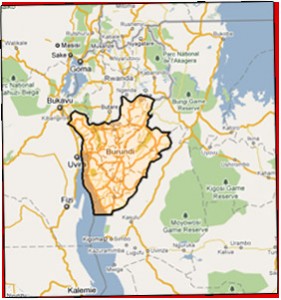
Burundi is a small African state. It is located in the geographic region of the Great Lakes. It is bordered by Rwanda to the north, the Democratic Republic of Congo to the west, and Tanzania to the south and east. Its capital is Bujumbura. Burundi was colonized by Germany and Belgium and gained its independence in 1962. It has been a presidential republic since 1966.
Situation of the population and children
Burundi has an estimated population of about 8 million inhabitants. Of these 800,000 are orphans, the highest number of orphans in the world with a percentage of 10% of the population. The population is 85% Hutu, 14% Tutsis and 1% twa, an ethnic Pygmy group. Burundi is one of the ten most underdeveloped countries in the world mainly due to the socio-political crisis and a civil war that lasted many years. To this day the political climate is unstable and security is poor. Religion: predominantly Catholic (approximately 90% of the population). The infant mortality rate is 6% (6.3 deaths per 100 live births) and life expectancy is 50 years.
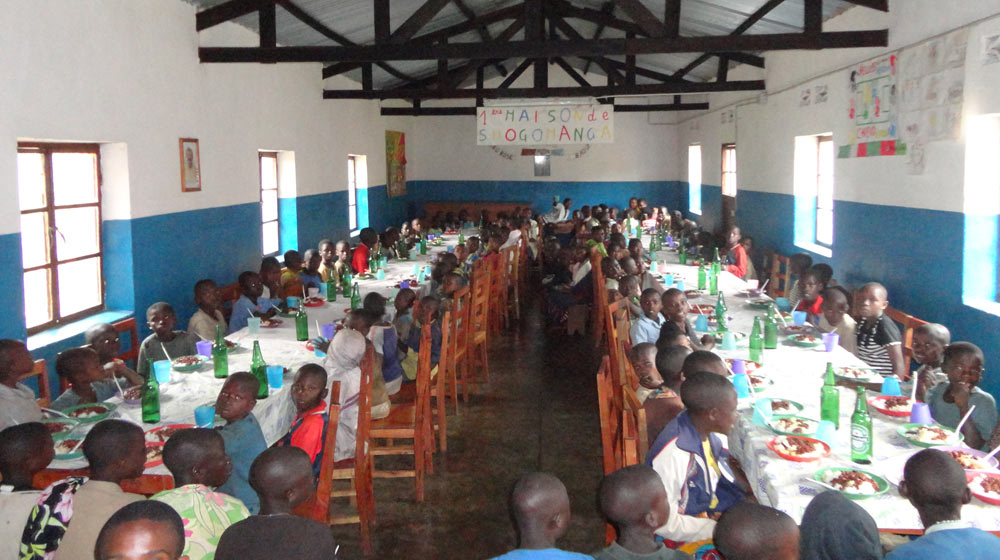
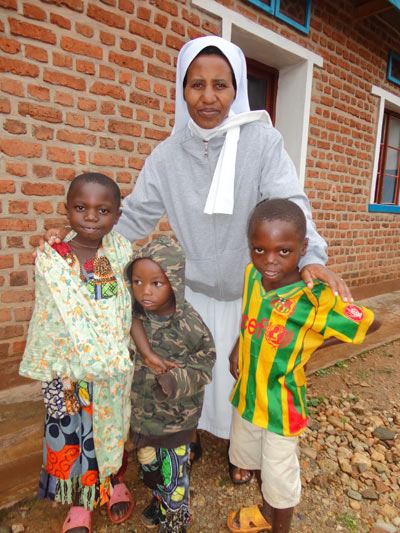
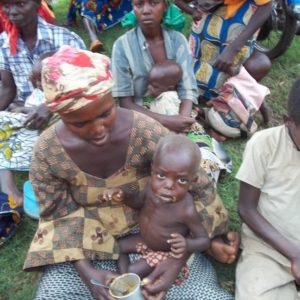
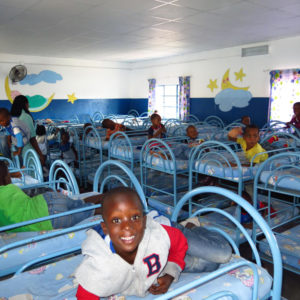
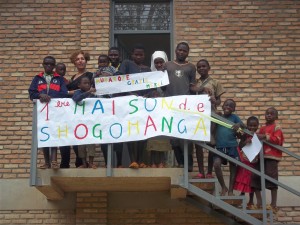 For this reason a hot meal is prepared at the Mission every day not only for the children who live within the children’s home but also for those who live with relatives in the village but are experiencing difficulties. The center, a “Home and a family”, is a point of reference for all those children who, though they have someone who cares for them, are in need of assistance and support as they are forced to live in extreme poverty and degradation, running the risk of getting sick and losing all hope of a having a respectable future.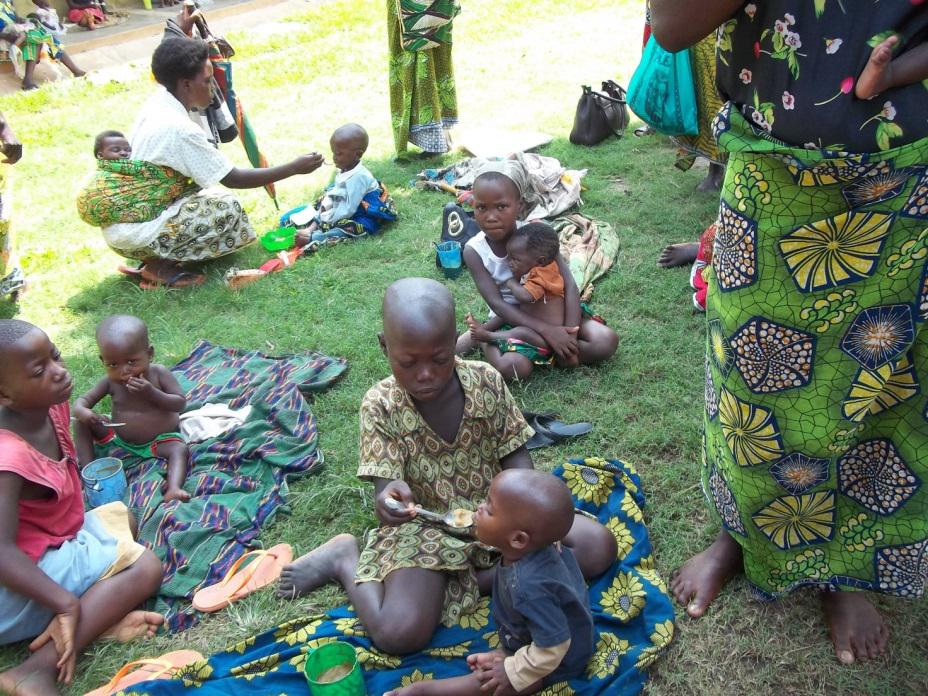
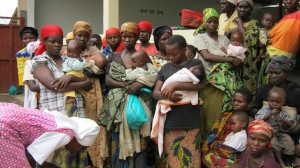 The Preventative centre for childhood diseases provides consultations, vaccinations and health nutrition and education to groups of 100/120 children per day. In 2013 Africaon started the food project “Mothers and children of Kaburantwa”.